
Exploring Cascarilla Bark: A Bahamian Treasure
- info0859414
- Apr 26
- 4 min read
Cascarilla bark, a unique and aromatic product from the Bahamas, has gained attention for its diverse uses and cultural significance. This blog post will delve into the fascinating world of cascarilla bark, exploring its origins, benefits, and applications. Whether you are a curious traveler, a herbal enthusiast, or simply someone interested in the rich traditions of the Bahamas, this exploration will provide valuable insights into this remarkable natural resource.

What is Cascarilla Bark?
Cascarilla bark comes from the Croton eluteria tree, a small evergreen native to the Bahamas and other Caribbean islands. The bark is harvested, dried, and ground into a fine powder, which is then used in various applications. The name "cascarilla" is derived from the Spanish word for "shell," reflecting the bark's protective outer layer.
Historical Significance
The use of cascarilla bark dates back centuries. Indigenous peoples of the Bahamas utilized it for medicinal purposes, believing it possessed healing properties. The bark was traditionally used to treat ailments such as fevers, digestive issues, and even as a tonic for overall health. Over time, its popularity spread beyond the islands, and it became a sought-after ingredient in various industries.
The Benefits of Cascarilla Bark
Cascarilla bark is celebrated for its numerous benefits, making it a valuable addition to both traditional and modern practices. Here are some of the key advantages:
1. Medicinal Properties
Cascarilla bark is known for its potential health benefits. It contains compounds that may aid digestion, reduce inflammation, and support the immune system. Some studies suggest that it may have antimicrobial properties, making it useful in combating certain infections.
2. Aromatic Qualities
One of the most distinctive features of cascarilla bark is its aromatic scent. The bark has a warm, spicy fragrance that is often described as a blend of cinnamon and clove. This makes it a popular choice for use in potpourri, incense, and essential oil blends.
3. Cultural Significance
In Bahamian culture, cascarilla bark holds a special place. It is often used in rituals and ceremonies, symbolizing protection and purification. Many locals believe that carrying a small piece of cascarilla bark can ward off negative energies and bring good luck.
4. Culinary Uses
Cascarilla bark is also used in culinary applications. Its aromatic qualities make it a flavorful addition to various dishes, particularly in Caribbean cuisine. It can be used to infuse spirits, flavor desserts, or even as a seasoning for savory dishes.
How to Use Cascarilla Bark
There are several ways to incorporate cascarilla bark into your life, whether for its health benefits, aromatic qualities, or culinary uses. Here are some practical suggestions:
1. Herbal Tea
One of the simplest ways to enjoy cascarilla bark is by brewing it into a herbal tea. To make cascarilla tea, follow these steps:
Ingredients:
- 1 teaspoon of dried cascarilla bark
- 1 cup of boiling water
Instructions:
1. Place the dried cascarilla bark in a teapot or cup.
2. Pour boiling water over the bark and let it steep for 5-10 minutes.
3. Strain the tea and enjoy it warm. You may add honey or lemon for extra flavor.
2. Aromatherapy
The aromatic properties of cascarilla bark make it an excellent choice for aromatherapy. You can use it in various ways:
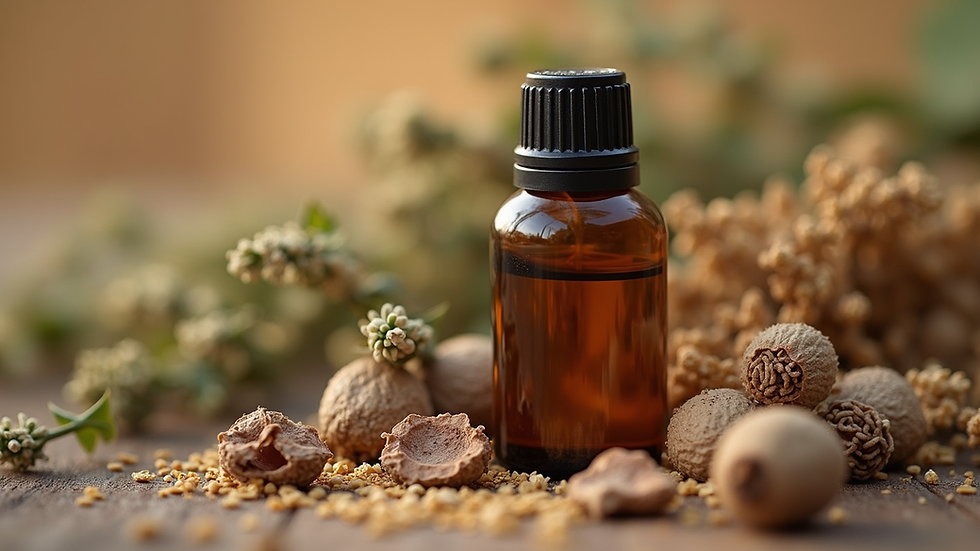
Essential Oil: If you have access to cascarilla essential oil, you can diffuse it in your home to create a calming atmosphere.
Potpourri: Combine dried cascarilla bark with other aromatic herbs and spices to create a fragrant potpourri for your living space.
3. Culinary Infusion
Incorporating cascarilla bark into your cooking can add a unique flavor profile to your dishes. Here’s how to use it:
Infused Spirits: Add a small piece of cascarilla bark to a bottle of rum or vodka and let it infuse for a few days. This will create a flavorful base for cocktails.
Seasoning: Grind dried cascarilla bark into a powder and use it as a seasoning for meats or vegetables.
Where to Find Cascarilla Bark
If you're interested in trying cascarilla bark, you may wonder where to find it. Here are some options:
1. Local Markets
In the Bahamas, local markets often sell cascarilla bark in its whole or powdered form. Visiting these markets not only supports local artisans but also allows you to learn more about the cultural significance of the bark.
2. Online Retailers
For those outside the Bahamas, many online retailers offer cascarilla bark. Look for reputable sellers that provide high-quality, sustainably sourced products.
3. Herbal Shops
Health food stores and herbal shops may carry cascarilla bark, especially in areas with a strong interest in herbal remedies. Be sure to check the labels for quality assurance.
The Future of Cascarilla Bark
As interest in natural remedies and sustainable practices grows, the future of cascarilla bark looks promising. Efforts to promote sustainable harvesting and educate consumers about its benefits are essential for preserving this Bahamian treasure.
Sustainable Harvesting Practices
To ensure that cascarilla bark remains a viable resource, it is crucial to adopt sustainable harvesting practices. This includes:
Selective Harvesting: Only taking a portion of the bark from each tree to allow for regrowth.
Replanting: Encouraging the planting of new trees to maintain the population of Croton eluteria.
Education and Awareness
Raising awareness about the benefits and uses of cascarilla bark can help foster appreciation for this natural resource. Workshops, community events, and online platforms can serve as valuable tools for educating the public.
Conclusion
Cascarilla bark is more than just a unique product from the Bahamas; it is a symbol of cultural heritage and natural wellness. From its medicinal properties to its aromatic qualities, cascarilla bark offers a wealth of benefits that can enhance our lives. By exploring its uses and supporting sustainable practices, we can ensure that this Bahamian treasure continues to thrive for generations to come.
As you consider incorporating cascarilla bark into your life, remember to seek out quality sources and embrace the rich traditions that accompany this remarkable natural resource. Whether you brew a cup of tea, infuse a spirit, or simply enjoy its aroma, cascarilla bark invites you to connect with the vibrant culture of the Bahamas.

Comments